What are Ringworm Symptoms and Signs?
At one point, people believed ringworm (tinea) was caused by a worm, hence the name. In actuality, ringworm is a skin infection caused by different types of fungi. Even though you can’t see them, the body is host to hundreds of microorganisms. They are generally not harmful, and some even help the body function properly. If the right conditions present themselves, however, bad bacterium or fungi can grow out of control and cause an infection.
Tinea is highly contagious, and you can contract the infection through skin-to-skin contact with an infected person or by handling objects he or she has used with like combs or towels. Ringworm likes to grow in warm damp places, so you can also become infected via contact with surfaces where it commonly grows like shower floors.
Symptoms of Ringworm
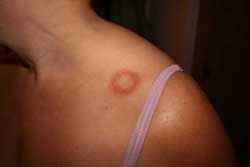
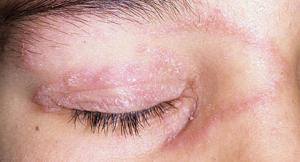
Ringworm can occur on any part of the body, and the symptoms will vary depending on where the infection develops. The definitive sign of ringworm is a skin rash that is red and inflamed. A lot of times this rash will be in the shape of a circle or ring, but not always. In rare cases, it may be completely absent. The rash may be slightly raised and scaly or it may be flat. Typically, the rash will itch and can develop in multiple places at the same time.
 Tinea that occurs on the feet is called athlete’s foot. This type of ringworm can also infect the hands, palms, and fingers and cause similar symptoms. The primary symptom of this type of ringworm infection is flaking, cracking, or peeling skin between the toes or fingers. The skin may be red and itchy, and blisters may develop that ooze or crust. If the infection spreads to the fingernails or toenails, they may thicken, discolor, or crumble.
Another place where people get ringworm is the groin area, which is commonly known as jock itch. Although it mostly affects adolescent boys and men, women can get this form of ringworm too. Symptoms include itching, red scaly patches that may blister and ooze, and abnormally light or dark skin. The rash can spread to the inner thighs, buttocks, and anus.
Ringworm can infect the scalp and beard. If it occurs in the scalp, bald spots may appear that are often filled with small black dots where hair used to be. Red or swollen scaly skin that itches may appear as well as kerions (pus-filled sores). Low-grade fever may accompany the infection in the scalp. Infections in the beard may produce pimples or pustules which may crust over.
Treating Ringworm
This is a common infection that affects about 20% of the population. Although it is very contagious, it is also easily treatable using over-the-counter medications. It can take up to four weeks for the infection to completely go away, so it is important to use the medication for as long as your doctor or the manufacturer says to use it, even if the symptoms dissipate. Read our reviews of natural ringworm treatments for effective remedies that clear the infection with little to no side effects on the homepage.